
The direct answer
For fashion ad creation guide for campaign-quality visuals, define the audience, communication job, evidence, and destination before production. Use lawful sources, protect factual details, and change one meaningful variable per round. Review the result in context, then finish only the direction that answers the brief and passes rights, accessibility, and export checks.
Understand the job before choosing the visual treatment
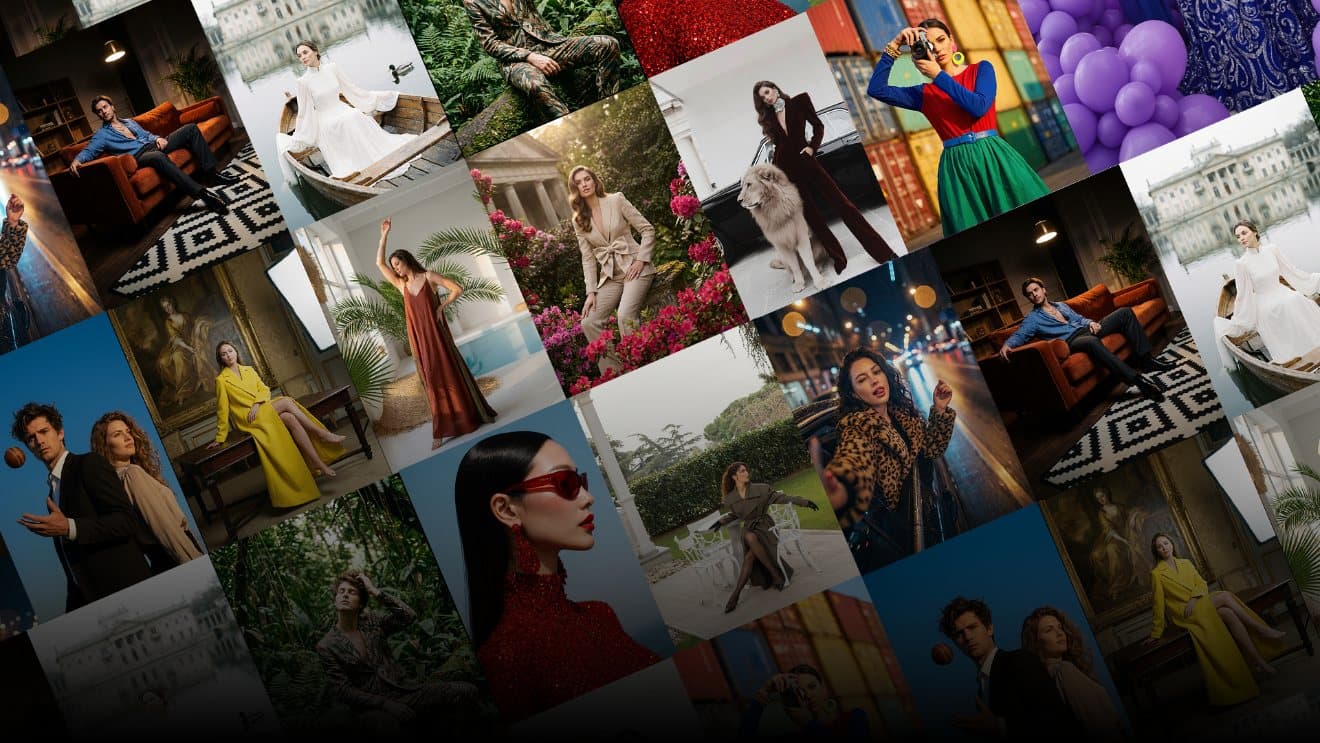
The strongest result begins as a decision, not as a prompt. Identify who should see the work and what they should understand, feel, or do afterward. For this guide, the practical audience is independent labels, retailers, and creative teams planning campaigns with limited production resources. Record the placement, dimensions, duration, crop behavior, deadline, and the person who can approve it. Then define the deliverable in concrete terms: a fashion campaign system spanning lookbook frames, product-led images, editorial stories, launch ads, and social adaptations. A precise destination changes composition, pacing, detail, typography zones, and technical delivery. A mobile cover needs immediate recognition; a product listing needs accuracy; a sequence needs continuity. List the evidence supporting the message and the facts that cannot change, such as identity, product shape, event details, price, color, or wording. The brief must let every reviewer reject a polished option that does not serve the job.
Build a lawful reference set
Use material you created, licensed, commissioned, or received with explicit permission. Technical access to a file does not establish the right to transform it. Keep an untouched source master and record origin, license, consent, permitted channels, territory, and expiration when those limits matter. A reference board should explain separate decisions: one example for hierarchy, another for light, another for material, another for timing or camera behavior. Label the useful attribute in plain language instead of asking for a creator's signature style. For people, verify identity consent and advertising scope. For products, capture reliable angles, packaging, color, included parts, labels, and dimensions. For events or sports material, verify names, dates, marks, uniforms, and image rights. Inspect files at full size before generation so blur, compression, cut-off edges, color casts, and hidden private information do not become part of the process. The goal is not a large mood board. It is a compact evidence set that lets another contributor understand what is factual, what is inspirational, and what may be explored freely.
Translate the idea into a controllable creative system
Turn the brief into a hierarchy of instructions. Begin with the subject and action. Add environment, composition, perspective or camera, light source, material response, palette, mood, destination, and one important exclusion. For this topic, use the working method: start from the collection message and verified garment reference, then align casting, setting, pose, light, and crop with the customer. Do not overload the instruction with several competing scenes or long lists of fashionable adjectives. A structured prompt is useful only when its fields express real priorities. Separate facts that must remain fixed from creative variables that may change. Keep final headlines, dates, prices, legal copy, ratings, and calls to action editable in the layout or editing stage. Generated text may help estimate visual balance, but it should not become an approved source. Define a small variation matrix before creating anything. Useful directions for this subject include: Build a clean silhouette-led launch frame; Create an editorial environment from the collection palette; Show fabric movement without changing construction; Adapt one campaign direction into portrait and landscape crops. Select only the variables that answer a real question. If the first round compares composition, keep the subject, message, palette, and product facts stable. If a later round compares light, begin from the accepted composition. This progression protects the useful parts of the work while making every iteration easier to evaluate.
Create a limited set and select with evidence
Produce the smallest set that can reveal a meaningful difference. Four disciplined options often teach more than dozens of unrelated outputs. Give each candidate an identifier and record the prompt, source, variable, tool setting, and generation date. Remove obvious failures before group review, but do not quietly change the brief to favor an attractive accident. Compare every remaining option against the same scorecard: audience relevance, message clarity, factual accuracy, focal hierarchy, technical integrity, destination fit, editability, rights risk, and finishing effort. This topic should demonstrate accurate garment construction, coherent styling, respectful representation, deliberate art direction, and enough detail for a production handoff. Inspect at full resolution for faces, hands, typography, edges, reflections, repeated details, geometry, seams, shadows, and texture transitions. Inspect at normal placement size for hierarchy and credibility. Inspect at thumbnail size when recognition matters. For motion, watch the entire clip at normal speed and frame by frame; look for flicker, identity changes, new objects, broken occlusion, direction reversals, and unnatural acceleration. Record why the selected candidate wins. A written selection reason guides refinement and prevents later edits from damaging the qualities that earned approval.
Four practical directions to test
Test these as separate hypotheses: build a clean silhouette-led launch frame; create an editorial environment from the collection palette; show fabric movement without changing construction; adapt one campaign direction into portrait and landscape crops. Before each round, state what should become easier to notice, understand, remember, or act on. Preserve the factual source, use the same scorecard, and adapt the winner to the real crop or duration. Retire a weak pattern even when it required effort, and promote a pattern only after it works across several genuinely different examples.
Finish the accepted direction for its actual destination
Treat generation as a source stage, not the final export. Repair local defects with a focused edit instead of repeatedly regenerating the whole image or clip. Clean masks and edges, correct product or identity details from trusted material, balance color and contrast, and rebuild important typography in an editable layout. Resize from an approved master, upscale only when the destination requires more pixels, and compress after dimensions are correct. For transparency, inspect the alpha edge on light, dark, colored, and textured backgrounds. For motion, verify cadence, transitions, captions, audio rights, and the first and final frames. Preview the asset inside the real interface or layout with overlays and surrounding content. Check safe areas, text contrast, keyboard and screen-reader equivalents where relevant, flashing or rapid motion, and caption readability. Reopen the exported file and verify orientation, color appearance, transparency, playback, duration, and integrity. Store the source, approved master, delivery derivative, prompt or edit record, license evidence, and approval note together with descriptive filenames. This package makes later adaptations safer and prevents the final file from becoming an unexplained orphan.
Protect rights, accuracy, and audience trust
Generated media still requires editorial responsibility. Do not use a recognizable person's identity in an advertisement, testimonial, political message, or sensitive context without authorization. Do not present a synthetic presenter as a real customer. Verify every visible product claim, event detail, statistic, review, certification, sponsor, uniform, ingredient, price, and legal line against an approved source. Avoid presenting generated scenes as documentary evidence or tested performance. Disclose synthetic elements when policy, platform rules, commercial context, or audience expectations require it. Review trademarks and similarity before adopting identity work. Check music, font, stock, and reference licenses as separate assets rather than assuming one permission covers the complete piece. Remove private information, addresses, documents, badges, screens, and reflections that should not be public. Reject outputs showing changing the garment, using likeness without consent, unrealistic fit, copied campaign language, distorted hands, or aesthetics that erase product information. Voloshow can support generation and focused image or video steps, but the publishing team remains responsible for consent, rights, claims, disclosure, accessibility, platform compliance, and the effect the work may have on viewers.
Workflow steps
- 1
Define the decision
Write the audience, destination, central message, available evidence, protected facts, and approval owner for a fashion campaign system spanning lookbook frames, product-led images, editorial stories, launch ads, and social adaptations.
- 2
Prepare legitimate inputs
Collect owned or licensed sources, record consent and usage limits, preserve an untouched master, and translate references into attributes rather than copied styles.
- 3
Create controlled variants
Apply this method: start from the collection message and verified garment reference, then align casting, setting, pose, light, and crop with the customer. Change one decision per round and label each variation so reviewers can compare it against the same criteria.
- 4
Review in context
Evaluate accurate garment construction, coherent styling, respectful representation, deliberate art direction, and enough detail for a production handoff; verify rights, claims, accessibility, destination fit, file integrity, and the absence of changing the garment, using likeness without consent, unrealistic fit, copied campaign language, distorted hands, or aesthetics that erase product information before publishing.
Common mistakes to avoid
- Starting production before the decision is clear. A tool can produce polished options quickly, but it cannot decide why a fashion campaign system spanning lookbook frames, product-led images, editorial stories, launch ads, and social adaptations should exist. Write the audience, destination, message, evidence, and approval owner first.
- Changing several variables in every attempt. Keep the central idea and protected facts fixed, compare one creative choice at a time, and reject candidates affected by changing the garment, using likeness without consent, unrealistic fit, copied campaign language, distorted hands, or aesthetics that erase product information. Controlled comparison creates learning that the next round can use.
- Approving a source image or clip without testing the destination. Check the real crop, size, sequence, text overlay, device, export format, and surrounding campaign. Verify claims, rights, identity, and accessibility before the asset leaves review.
Prompt examples
Copy-ready starts
Copy an example, then replace the subject and production details with material you can use.
Create a fashion campaign system spanning lookbook frames, product-led images, editorial stories, launch ads, and social adaptations. The audience is independent labels, retailers, and creative teams planning campaigns with limited production resources. Use this working method: start from the collection message and verified garment reference, then align casting, setting, pose, light, and crop with the customer. Prioritize accurate garment construction, coherent styling, respectful representation, deliberate art direction, and enough detail for a production handoff. Keep important copy editable.
Preserve the approved subject, factual details, composition purpose, and destination. Change only one meaningful variable from this list: Build a clean silhouette-led launch frame; Create an editorial environment from the collection palette; Show fabric movement without changing construction; Adapt one campaign direction into portrait and landscape crops. Keep the alternative comparable to the current direction.
Refine the selected concept for the real placement. Strengthen the focal hierarchy, correct edges and material transitions, protect safe margins, preserve identity and product truth, and remove signs of changing the garment, using likeness without consent, unrealistic fit, copied campaign language, distorted hands, or aesthetics that erase product information.
FAQ
Frequently asked questions
Define the audience, destination, communication job, protected facts, available evidence, and approval owner. Then describe a fashion campaign system spanning lookbook frames, product-led images, editorial stories, launch ads, and social adaptations. A clear decision framework prevents production speed from creating a large set of options that cannot be judged consistently.
Start with a small set that changes one meaningful variable. Keep the subject, purpose, factual details, and destination stable. Create another round only when the comparison reveals a specific question. Reject candidates showing changing the garment, using likeness without consent, unrealistic fit, copied campaign language, distorted hands, or aesthetics that erase product information.
Treat generated text and factual detail as unverified draft material. Rebuild important copy in an editable workflow and verify names, dates, prices, labels, ratings, certifications, product behavior, and legal lines against an approved source before publication.
Begin with create a fashion campaign concept, then use the related tools for focused preparation or finishing. Tool availability follows the current Product catalog. This guide does not promise a particular provider model, presenter system, audio generator, timeline editor, or automated publishing feature.
It is ready when the intended audience can understand the message, the asset demonstrates accurate garment construction, coherent styling, respectful representation, deliberate art direction, and enough detail for a production handoff, protected facts remain accurate, rights and consent are documented, accessibility and disclosure checks pass, and the final export works in its real destination.
Keep exploring
Related use cases
Related tools
Next action
Put this product & marketing plan into a controlled workflow
Use an owned or permitted source, protect the factual details, and create the smallest useful test. Move the accepted direction through the linked Voloshow tool, then complete the review and delivery checks from this guide.

Voloshow Editorial
Practical, source-aware guides for AI image, editing, product, and video workflows.