
Direct answer
A useful AI product photography test compares one owned product across catalog, detail, lifestyle, and social crops. Score each draft for shape accuracy, material truth, background quality, export crop, and claim safety. If the image fails product truth, reject it before resizing or publishing.

Test plan
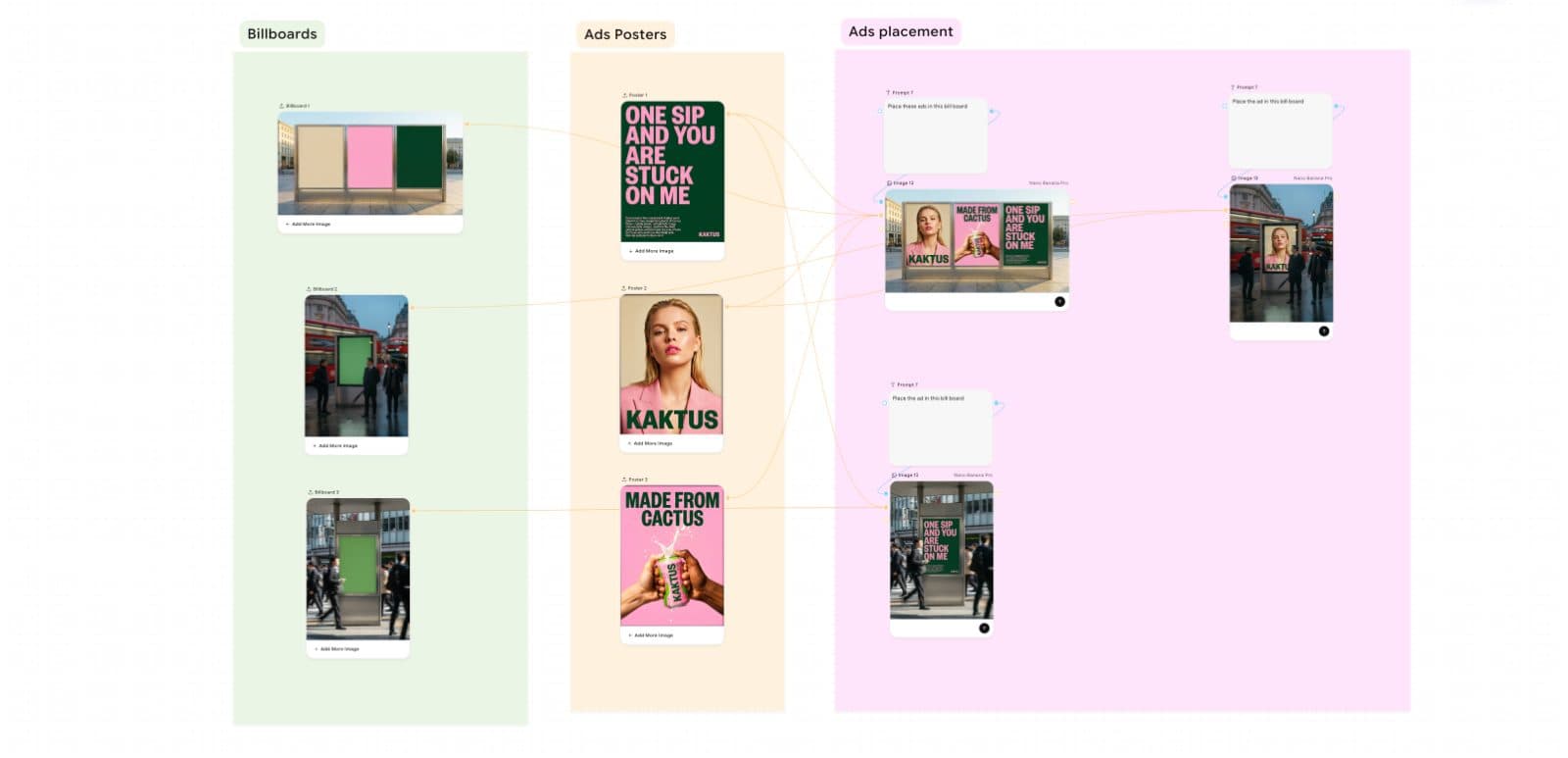
Use one owned product and keep the same product facts across all prompts. Generate a white-background catalog image, a detail crop, a lifestyle scene, and a social ad crop. Do not add badges, ratings, certifications, or platform approval claims.
- One source product.
- Four output types.
- One review scorecard.
Scorecard table
The table below turns a subjective image review into an operational product-photo check. Each row should be reviewed before the image moves to resize, compression, ad upload, or listing publication.
Finishing workflow
After a draft passes review, use Background Remover or White Background for cleanup, Image Enhancer for the selected candidate, Image Resizer for channel sizes, and Image Compressor for final web exports.
Workflow steps
- 1
Prepare owned source material
Choose a product photo with clear edges and enough detail to review shape and packaging.
- 2
Generate four drafts
Create catalog, detail, lifestyle, and social variants from the same product facts.
- 3
Score before cleanup
Reject shape, material, claim, or rights failures before spending time on exports.
- 4
Finish approved images
Use background, resize, compression, and enhancement tools only after product review.
Publishing and workflow notes
| Shape accuracy | Does the product silhouette match the owned source material? |
|---|---|
| Material truth | Do texture, color, label area, and reflections stay believable? |
| Background quality | Are edges, shadows, and props clean enough for the target channel? |
| Publishing safety | No fake badges, ratings, certifications, medical claims, or marketplace approval. |
Common mistakes to avoid
- Judging only visual polish while ignoring product truth.
- Letting generated badges, ratings, or certification marks survive into exports.
- Using resize or compression to hide a product accuracy failure.
Prompt examples
Copy-ready starts
Copy an example, then replace the subject and production details with material you can use.
A single owned product on a white seamless background, accurate silhouette, soft contact shadow, ecommerce crop, no badges or generated text.
A close detail crop of an owned product material texture, realistic side light, clean background, no exaggerated performance claims.
An owned product in a simple lifestyle scene, realistic scale, neutral props, practical window light, no platform logos or fake reviews.
A square product ad image with one owned object, blank headline space, restrained props, no discount badge, no fake marketplace claim.
Prepare this owned product as a clean white-background listing draft with preserved shape, realistic shadow, no invented label details.
FAQ
Frequently asked questions
It measures whether a draft preserves product shape, material, crop usefulness, claim safety, background quality, and channel export readiness.
It can speed up draft creation, but real product truth, packaging accuracy, claims, rights, and marketplace rules still need review.
Use owned product images with clear edges, enough resolution, visible packaging details, and no competitor or marketplace screenshots.
Use Background Remover, White Background, Image Resizer, Image Compressor, and Image Enhancer after the draft passes product review.
Keep exploring
Related features
Related use cases
Related tools
Related prompts
Next action
Run the four-image product photo test.
Create one controlled product set, score it, then finish only the images that pass review.

Voloshow Editorial
Practical, source-aware guides for AI image, editing, product, and video workflows.